Posts

5 Miracle Plants and Their Astrological Benefits

Image
Astrology has long intertwined with the natural world, attributing specific plants with unique energies that can influence our lives. These miracle plants are believed to bring astrological benefits, harmonizing our surroundings and enhancing our well-being. Here are five remarkable plants and their astrological advantages: 1. Tulsi (Holy Basil) Astrological Significance: Tulsi is revered in many cultures, particularly in Hinduism, for its spiritual and medicinal properties. It is associated with the planet Mercury, which governs communication, intellect, and mental clarity. Benefits: Enhanced Communication: Tulsi helps in improving communication skills and cognitive functions, making it beneficial for students and professionals alike. Protection and Purification: It is believed to purify the environment and protect against negative energies. Health Benefits: Known for its medicinal properties, Tulsi can aid in reducing stress and boosting immunity. 2. Neem Astrological Significance: N...

Preparing a Package of Practices (POP) for Organic Cultivation Farmers as per Local Conditions

Image
Organic farming is gaining popularity due to its benefits for health, the environment, and sustainability. To help farmers transition to or improve their organic farming methods, a well-designed Package of Practices (POP) is essential. This guide should be tailored to local conditions to ensure practicality and effectiveness. Here’s how to prepare a POP for organic cultivation farmers: 1. Soil Preparation Start with a soil analysis to understand the nutrient profile and pH levels. Based on the results, recommend organic soil amendments such as compost, manure, or green manure crops. These enrich the soil naturally, improving fertility and structure. 2. Crop Selection and Rotation Choose crops that are well-suited to the local climate and soil conditions. Implement crop rotation plans to prevent soil depletion and reduce pest and disease cycles. Include legumes in the rotation to naturally fix nitrogen in the soil, benefiting subsequent crops. 3. Organic Fertilizers List organic fertili...

Harnessing Nature's Power: The Preparation of Biopesticides for Chilli Pest and Disease Management

Image
Chilli cultivators faces persistent challenges from pests and diseases, threatening crop yields and farmer livelihoods. In response to the need for sustainable pest management solutions, many farmers are turning to biopesticides, which harness the power of nature to combat agricultural pests while minimizing environmental impact. This article delves into the preparation of biopesticides and their role in safeguarding Organic Chilli crops. Understanding Biopesticides: Biopesticides are derived from natural substances such as plants, microbes, or minerals. Unlike synthetic pesticides, biopesticides offer an environmentally friendly approach to pest and disease management, targeting specific pests while minimizing harm to beneficial insects, humans, and the ecosystem. Preparation Methods for Biopesticides: Neem-based Biopesticide: Neem (Azadirachta indica) is renowned for its insecticidal properties and has been used in agriculture for centuries. To prepare a neem-based biopesticide, coll...

Empowering Internal Inspection Staff: The Vital Role of Training in Organic Certification

Image
In the realm of organic certification, maintaining the integrity of the process is paramount. At the heart of this integrity lies the Internal Control System (ICS), a robust framework ensuring adherence to organic standards and regulations. Central to the effectiveness of the ICS is the training provided to internal inspection staff. Here's why investing in their training is not just beneficial but essential: Ensuring Compliance: Internal inspection staff play a pivotal role in ensuring that all aspects of organic production meet regulatory requirements. Through comprehensive training, they gain the knowledge and skills needed to accurately assess compliance and identify any deviations from organic standards. Enhancing Accuracy: Training equips inspection staff with the tools to conduct thorough and precise inspections. They learn to effectively evaluate organic practices, verify documentation, and detect any inconsistencies, thereby upholding the credibility of the certification...

Unleashing the Potential: Bamboo Production in Nagaland

Image
Bamboo is a game-changer in Nagaland, a state tucked away in the northeastern part of India. Blessed with rich natural resources, Nagaland has embraced bamboo as a versatile and sustainable asset. Thanks to its rolling hills and favorable climate, bamboo forests flourish here, making the state a hotspot for bamboo production and utilization. Bamboo is everywhere in Nagaland. The state boasts various species of bamboo, including Bambusa balcooa, Bambusa tulda, and Dendrocalamus hamiltonii. These bamboos are not just plants; they're used for everything from building materials and crafts to culinary delights. But bamboo isn't just about making things. It's about making a living. Bamboo cultivation has become a lifeline for many communities in Nagaland, providing employment opportunities in cultivation, harvesting, and processing. From rural areas to small-scale enterprises, bamboo has become a backbone of the local economy. What's more, bamboo is a green superhero. With en...

Propagating Life: A Guide to Germinating New Plants through Cuttings

Image
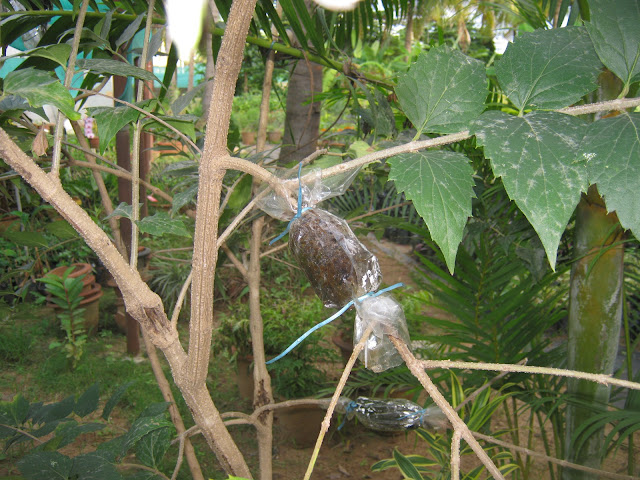
The art of germinating new plants from cuttings is a fascinating and rewarding journey into the world of horticulture. This method, known as vegetative propagation, allows gardeners to create clones of their favorite plants, preserving desirable traits and ensuring a continuation of cherished varieties. From vibrant flowering shrubs to succulent beauties, here's a closer look at the process of germinating new plants through cuttings. 1. Selecting the Right Cuttings: The journey begins with the careful selection of cuttings. Opt for healthy, disease-free stems that are neither too young nor too old. The ideal cutting typically consists of a section of the stem with a few nodes or leaves. 2. Preparing the Cuttings: Once selected, the cuttings should be prepared with precision. Trim the cutting just below a node, as this is where the roots will likely emerge. Remove excess leaves, especially those near the lower portion of the cutting, to reduce water loss and encourage root develop...

तारामीरा की उन्नत खेती कैसे करें?

Image
  तारामीरा (Taramira) एक तेलीय अनाज है जो उच्च ऊर्जा और पोषण से भरपूर होता है, और इसकी उन्नत खेती के लिए कुछ मुख्य तकनीकें हैं: 1. बीज का चयन: शुरुआती चरण में सही बीज का चयन करना महत्वपूर्ण है। उन्नत खेती के लिए ऊर्जावान और सुजीवित बीजों का चयन करें। 2. बुआई का समय: तारामीरा को सही समय पर बोना जाना अत्यंत महत्वपूर्ण है। यह विशेषकर ठंडी मौसम में अच्छी तरह बूँदारी बारिश के समय के लिए उपयुक्त है। 3. बीजों का पूर्व-उपचार: बीजों को पूर्व-उपचार के लिए उचित से सम्बंधित खाद्यान्न और बुआई से पहले सुधार किया जा सकता है। 4. बीजों की बुआई: बुआई के समय बीजों को वाणिज्यिक खाद्यान्न या फर्टिलाइजर के साथ मिश्रित कर सकते हैं, जिससे पौधों को अच्छी शुरुआत मिलेगी। 5. पोषण: तारामीरा की खेती में उचित पोषण महत्वपूर्ण है। इसे सूखे से बचाने और पौधों को सहारा देने के लिए नियमित रूप से पानी देना चाहिए। 6. रोग और कीट प्रबंधन: तारामीरा की खेती में सही प्रकार के रोग और कीट प्रबंधन के लिए जैव उपायों का अनुसरण करना चाहिए, जैसे कि बॉर्डेक्स मिश्रण जो कीटाणुओं को नियंत्रित करने के लिए एक प्राकृतिक उपाय है। 7....